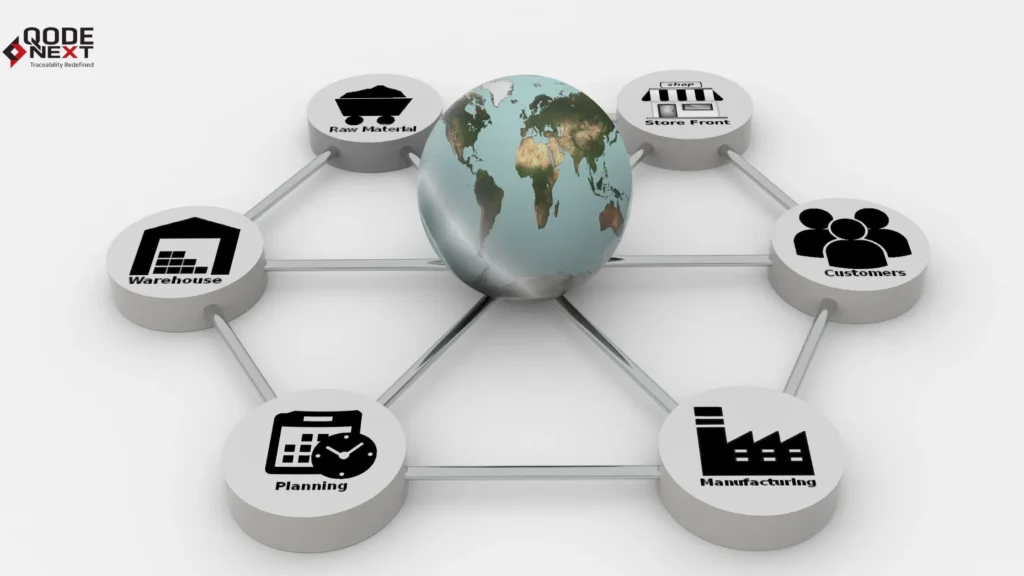
Supply chain optimization is the method of improving a supply chain’s efficiency, performance, and cost-efficiency. This means creating a synergy between technology, data analytics, and proven methods to enhance logistics, inventory management, and overall operations. Using supply chain optimization provides businesses with lower costs, shorter delivery times, and higher customer satisfaction.

Importance of Supply Chain Optimisation
- As global supply chains become increasingly intricate and sophisticated, businesses are looking for streamlined solutions to prevent operational disruptions worldwide. Supply chain optimisation enables:
- Reduce costs through waste reduction and operational efficiency
- Better customer service with quicker and more dependable deliveries
- Improved demand forecasting with the help of data analytics.
- Improved coordination with suppliers through better collaboration.
- Lower inefficiencies lead to higher profit margins.
- More responsiveness and flexibility to market changes and disruptions.
- Compliance with specific government and trade regulations
- The competitive edge gained from improved speed, accuracy, and efficiency.
Key Strategies for Supply Chain Optimisation
1. Data-Driven Decision Making
Today’s supply chains depend on real-time data to track inventory, demand, and logistics performance. This is why artificial-intelligence-driven analytics allows firms to anticipate disruptions and act accordingly. For example, data analytics enables companies to identify trends, improve demand forecasting, and eliminate excess expenditure.
Some businesses are also using blockchain technology to improve data security and increase visibility throughout the supply chain.
2. Inventory Management Optimisation
By effectively managing the inventory, you can avoid excessive or inadequate stock levels. Companies use Just-in-Time (JIT) and demand-driven replenishment techniques to ensure that they do not have excess stock. Good inventory management locks up no capital in stock while you are both preventing stockouts that can result in lost sales.
Modern inventory management systems utilize the Internet of Things (IoT) for real-time monitoring and visibility throughout the supply chain.
3. Efficient Logistics and Supply Chain Optimisation
Logistics optimization is choosing the most efficient way of transportation, automating warehouse control, guaranteeing deliveries on time, etc. Supercharging supply chain efficiency and savings with AI-Driven Logistics. Transportation costs can be reduced while enhancing delivery reliability with route optimisation software and predictive analytics.
Last-mile delivery through drones and autonomous vehicles is transforming how businesses operate moving forward.
4. Automation and AI Integration
From warehouse robotics to AI-led demand forecasting, the world’s automation backbone is one of the key drivers by which manual errors are minimized and supply chain efficiency is augmented. Using AI and machine learning, companies can create supply chain visibility, enabling it to quickly identify potential bottleneck spots and performance areas that need improvement.
It offers solutions to automate repetitive tasks like processing orders, matching invoices, and tracking shipments through Robotic Process Automation (RPA), enabling human resources to stay focused on strategic roles.
5. Sustainable Supply Chain Practices
Sustainable supply chains reduce carbon footprints and comply with regulatory standards. Companies that embrace green logistics and ethical sourcing emerge victorious as cost leaders and leaders in brand reputation. Adopting sustainable modes of transport, minimizing packaging waste, and sourcing responsibly all play a part in ensuring long-term sustainability.
More and more companies are moving to circular supply chains through which products are reused, remanufactured, or recycled, and consequently, waste is minimized, and resource efficiency is improved.
6. Supplier Relationship Management
Good supplier relationships create a confident and robust supply chain. Veering in any other direction, such as having a supply agreement with suppliers, allows businesses to negotiate favorable terms, minimize lead times, and maintain product quality. Supplier planning and communication is better when it’s open and transparent
Reducing customer concentration – Reducing reliance on one supplier or diversification of suppliers is a key input to minimize risks.
7. Risk Management and Contingency Planning
Natural disasters, geopolitical issues, and economic downturns can all cause supply chain disruptions. Companies need risk management processes and contingency plans for unforeseen interruptions. Supplier diversification, safety stock maintenance, and predictive analytics are all risk mitigation techniques.
Scenario planning and stress testing enable businesses to prepare for and mitigate potential disruptions while building resilient supply chains.
8. Cloud-Based Supply Chain Management
Cloud computing allows companies to access up-to-the-minute data from anywhere, improving collaboration and efficiency. The solution also integrates data from these suppliers, procurement, logistics, and warehouse management as all segments are interdependent, thus optimizing all functions through seamless information movement.
Best Supply Chain Optimisation Software
There is software to make logistics and supply chain optimization smoother. Here are some of the best ones:
- SAP Integrated Business Planning
This ensures better decision-making in real-time with capabilities outlined such as demand forecasting and supply planning with SAP IBP.
- Oracle SCM Cloud
Oracle’s cloud-based supply chain software provides powerful visibility, automation, and collaboration, making it the ideal tool for global supply chains.
- Manhattan Associates
This is a warehouse and transportation management solution capable of handling logistics activities.
- Blue Yonder (JDA Software)
An advanced AI-powered platform for demand forecasting, supply chain planning, and logistics optimization
- Kinaxis Rapid Response
Kinaxis: Offers real-time supply chain analytics that allow businesses to react to shifting market conditions.
How do you select the best supply chain optimisation software?
Businesses must consider the following when choosing software:
- Scalability — Is the software capable of scaling with your business?
- Integration – How well does it integrate with the existing systems?
- Real-time analytics – Does it offer data-driven insights?
- Cost-Effectiveness – Does it fit the budget and give considerable ROI?
- Ease of Use – Will your team be able to easily adjust to the system?
- Customer Support – Will the provider offer dependable support and updates?
Frequently Asked Questions
What is supply chain optimization?
Supply Chain Optimization This is the process of making your supply chain as effective as possible through the use of technology and strategic planning.
How do logistics and supply chain optimization work?
In automation and analytics, logistics and supply chain optimizations in Germany offer us enhanced transportation routes, better organisation in warehouses, and tighter management of inventory.
What are the benefits of supply chain optimization software?
It enables enterprises to improve efficiency and decrease expenses, enhance visibility, and boost collaboration across the entire supply chain.
What types of supply chain optimization software are there for small businesses?
Kinaxis RapidResponse and SAP IBP are some of the most scalable, user-friendly, and cost-effective options for small businesses.
How AI Can Help with Supply Chain Optimization?
Artificial intelligence helps forecast demand, automates repetitive tasks, and improves decision-making with predictive analytics.
Conclusion
When it comes to reducing costs, improving efficiency, and remaining competitive, supply chain optimization is crucial for businesses. This is made possible through the right strategies and the implementation of supply chain optimization software, which result in seamless logistics flows and improved decision-making capabilities. These solutions will serve businesses well through today’s and tomorrow’s supply chain challenges.
Are you ready to optimise your supply chain? Explore QodeNext today and start enhancing your logistics operations!